

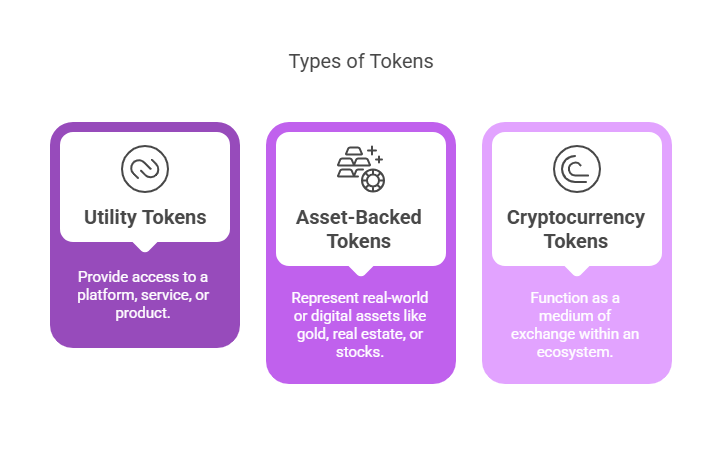
- Utility Tokens — Provide access to a platform, service, or product.
- Asset-Backed Tokens — Represent real-world or digital assets like gold, real estate, or stocks.
- Cryptocurrency Tokens — Function as a medium of exchange within an ecosystem.
- Private ICOs: Limited to select investors, often with a minimum investment requirement.
- Public ICOs: Open to the general public, similar to crowdfunding. However, regulatory concerns make private ICOs a more practical choice for many businesses.
- Switzerland
- Singapore
- Hong Kong
- Liechtenstein
- The British Virgin Islands
- The Cayman Islands
- Blockchain Engineers: Experts in smart contracts and blockchain development.
- Growth Marketers: Specialists in digital marketing and business development.
- Legal Advisors: Professionals familiar with KYC and AML regulations.
- Problem statement and proposed solution
- Market analysis and competitive landscape
- Tokenomics (economic model of the token)
- Team and advisor details
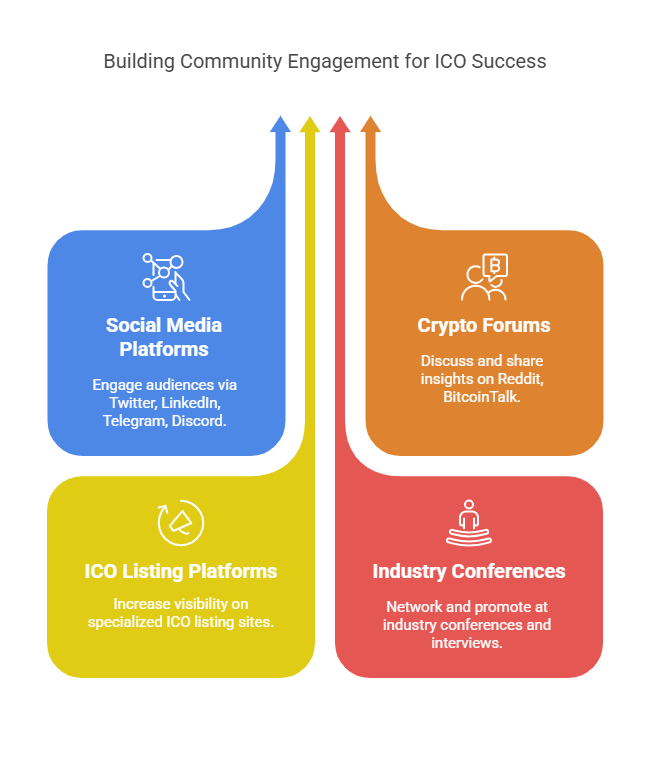
- Social media (Twitter, LinkedIn, Telegram, Discord)
- Crypto forums (Reddit, BitcoinTalk)
- ICO listing platforms
- Industry conferences and interviews
- Soft Cap: Minimum fundraising goal required for ICO success.
- Hard Cap: Maximum fundraising limit.
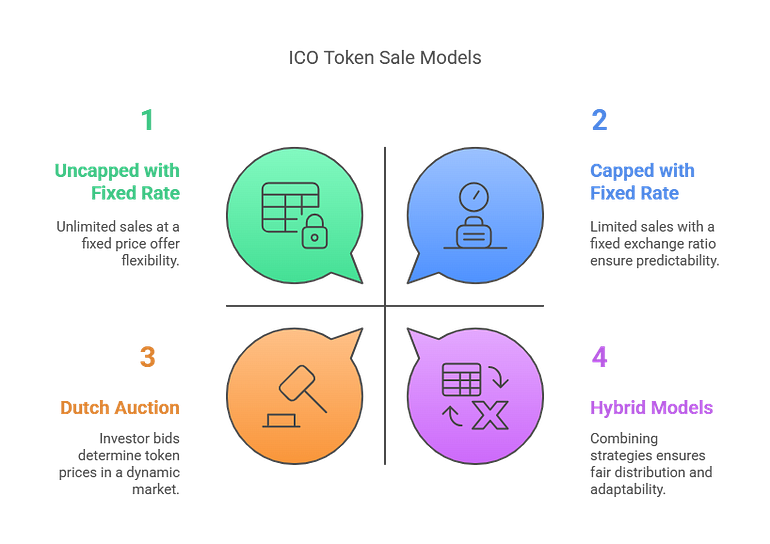
- Uncapped with Fixed Rate: Unlimited token sales at a fixed price.
- Capped with Fixed Rate: Limited-time sales with a fixed exchange ratio.
- Dutch Auction: Token prices dare be determined by investor bids.
- Hybrid Models: Combining multiple strategies to ensure fair distribution.
- Continuous product development and updates
- Regular communication with investors and the community
- Listing tokens on cryptocurrency exchanges
- Compliance with regulatory requirements
How to launch a successful ICO 2025- SpiegelTechnologies
The Growing Presence of ICOs Across Industries
According to recent data, over 25 industries actively participate in Initial Coin Offerings (ICOs). While technology remains the primary focus, healthcare, tourism, and energy sectors also attract significant ICO interest.
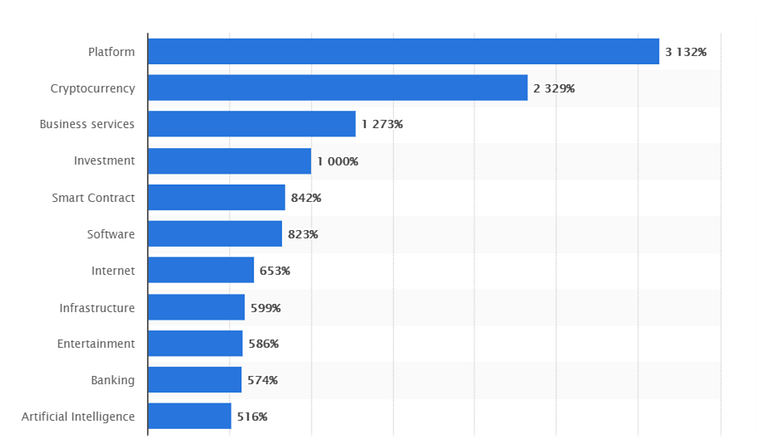
Source: Statista
What is an ICO?
An Initial Coin Offering (ICO) is a fundraising method in which companies issue digital tokens to investors in exchange for cryptocurrencies like Bitcoin or Ethereum, or fiat currencies like USD. It is often compared to an Initial Public Offering (IPO) but differs in that investors receive tokens rather than company shares.
There are three main types of ICO tokens:
ICOs can be private (exclusive to select investors) or public (open to all crypto investors), each with its advantages.
Understanding ICOs: An Overview
An Initial Coin Offering (ICO) is a fundraising mechanism similar to an Initial Public Offering (IPO). However, instead of equity in a company, investors receive digital tokens. These tokens can function as utility tokens, asset-backed tokens, or cryptocurrencies used for global transactions. ICOs leverage blockchain technology for token generation and distribution, typically accepting cryptocurrencies such as Bitcoin and Ethereum.
Types of ICOs
ICOs generally fall into two categories:

Types of ICOs -SpiegelTechnologies
How ICOs Work
ICOs raise capital by offering project-specific tokens in exchange for cryptocurrency or fiat money. Investors contribute funds with the expectation that these tokens will appreciate or provide access to a product or service.
Steps to a Successful ICO Launch
1. Assess the Need for an ICO
Before launching an ICO, ensure that a blockchain-based token aligns with your product or service. A successful ICO should solve a unique problem and provide value to the blockchain community.
2. Choose the Right Jurisdiction
Different countries have varying regulations regarding ICOs. Favourable locations include:
If offering tokens to U.S. investors, compliance with SEC regulations is necessary. Use the Howey Test to determine whether your token qualifies as a security.

3. Build a Strong Team and Advisory Board
A successful ICO requires expertise in blockchain development, marketing, and legal compliance. Your team should include:
Advisors should have experience in cryptocurrency, finance, or industry-specific domains to enhance credibility.
4. Develop a Product Roadmap
A clear and transparent product roadmap increases investor confidence. Detail development milestones, funding allocation, and key performance indicators (KPIs) to demonstrate project viability.
5. Create a Comprehensive White Paper
A well-crafted white paper should include:
A shorter position paper can also be released beforehand to gather early feedback.
6. Build and Engage a Community
ICO success heavily relies on community engagement. Leverage:
7. Select a Token Sale Model
Common ICO token sale structures include:
8. Develop Smart Contracts and Mint Tokens
Most ICOs use Ethereum-based ERC-20 tokens for smart contract automation. Security audits and open-source contributions enhance trust. Consider using established frameworks like OpenZeppelin to streamline smart contract development.
9. Launch the ICO
On launch day, ensure a seamless user experience with a live token sale interface. Transparency is key to maintaining investor confidence.
10. Post-ICO Management
After a successful ICO, maintaining investor trust is crucial. Key steps include:
Conclusion
A well-executed ICO requires meticulous planning, a strong team, and robust community engagement. By following these steps, you can maximize the chances of a successful ICO launch. If you need expert guidance on blockchain development, smart contracts, or ICO strategy, reach out to a professional consulting firm to help navigate the complexities of the ICO landscape.
Launching an ICO requires a clear vision, a strong team, robust technology, and strategic marketing. By following best practices and ensuring transparency, you can attract investors, build credibility, and drive long-term success.
Need help with ICO strategy, smart contracts, or blockchain development? SpiegelTechnologies is here to assist. Contact us today to launch a successful ICO!

.png)
.png)