
- Experience and expertise — Look for a proven track record building successful clone apps, with the technical know-how to customize and optimize for your specific needs.
- Portfolio quality — Review past work closely, paying attention to design, user experience, and overall functionality.
- Client testimonials — Genuine reviews from previous clients offer real insight into a company's reliability and reputation.
- Communication and collaboration — Choose a team that's transparent, keeps you informed throughout development, and genuinely involves you in key decisions.
- Post-launch support — Make sure ongoing maintenance and support are part of the package, so issues and updates are handled smoothly after launch.
- Legal considerations — Make sure your clone app doesn't infringe on existing copyrights or trademarks. Research thoroughly and consult legal experts where needed to avoid costly disputes down the line.
- Customization gaps — A ready-made base is only half the equation; close collaboration with your development team and clear specifications are essential to make the app genuinely yours.
- Market saturation — Categories like ride-hailing or food delivery can get crowded fast. Differentiate through a stronger user experience, unique features, or sharper, more targeted marketing.
- Security and privacy — Compliance with relevant security and privacy regulations is non-negotiable. Strong encryption and secure payment gateways protect user data and build the trust your platform depends on.
- Artificial Intelligence (AI): Chatbots, voice assistants, and personalized recommendations are becoming standard features, enhancing user experience while giving businesses richer insights.
- Blockchain: Particularly relevant in finance and supply chain apps, blockchain adds a layer of security, transparency, and trust that users increasingly expect.
- Internet of Things (IoT): Clone apps that connect with IoT devices — like a fitness app syncing with a wearable — create more seamless, connected user experiences.
- Augmented Reality (AR): From virtual try-ons in e-commerce to immersive gaming, AR is opening up entirely new ways for users to interact with apps.
In today's digital age, businesses are constantly looking for faster, smarter ways to stay ahead of the competition and deliver something genuinely useful to their customers. One of the most effective paths forward is Clone App Development Services. Clone apps are replicas of already-successful apps, rebuilt and customized to fit the specific needs of your business — giving you a ready-made solution you can launch in a fraction of the time it would take to build from zero.
Investing in Clone App Development Solutions comes with some clear advantages. First, it dramatically cuts down the time and cost of building an app from scratch. By leveraging an existing framework and feature set that's already proven itself in the market, your business saves valuable resources and can focus energy elsewhere. Second, because the original app has already succeeded, you're working with a far lower risk profile than launching something entirely untested.
Key Benefits of Clone App Development for Your Business
Adopting Ready-Made App Solutions brings real, measurable value to your business. Here's what you stand to gain:
Faster Time to Market
A clone app gives you a shortcut to success by replicating the features and functionality of an app that's already won over users. That accelerates your time to market significantly, letting your business capitalize on existing demand instead of spending months building awareness for something brand new.
A Genuinely Cost-Effective Path
Building an app from the ground up is expensive — research, design, and development all add up fast. Choosing a clone app solution means you skip a huge chunk of that spend and can redirect those resources into marketing, operations, or growth instead.
Full Customization Around Your Brand
While the core features stay intact, you have plenty of room to add elements that reflect your brand identity and speak directly to your target audience. This is where a White Label Mobile App approach really shines — you get a proven foundation, then shape the experience to feel unmistakably yours rather than a generic copy.
Crucial Factors to Consider Before Starting Clone App Development
Before diving in, a few key considerations will determine whether your project succeeds or stalls.
Know Your Market
Research matters. Understand your target audience, study the competition, and track market trends so you can choose a clone app model that genuinely aligns with your business goals — not just whatever's currently trending.
Prioritize Scalability and Flexibility
As your business grows, you'll likely need to add features or adjust existing ones. Choosing a flexible, scalable foundation up front saves you from a costly redevelopment cycle later. This is especially true if you're eyeing something like Multi-Vendor App Development, where you'll need the architecture to support an expanding number of sellers, categories, and transactions over time.
Bring in the Right Technical Expertise
This is where it pays to Hire Clone App Developers who genuinely know what they're doing. Whether you build an internal team or partner with an outside agency, your developers need real experience customizing and optimizing clone apps — not just basic familiarity with the concept.
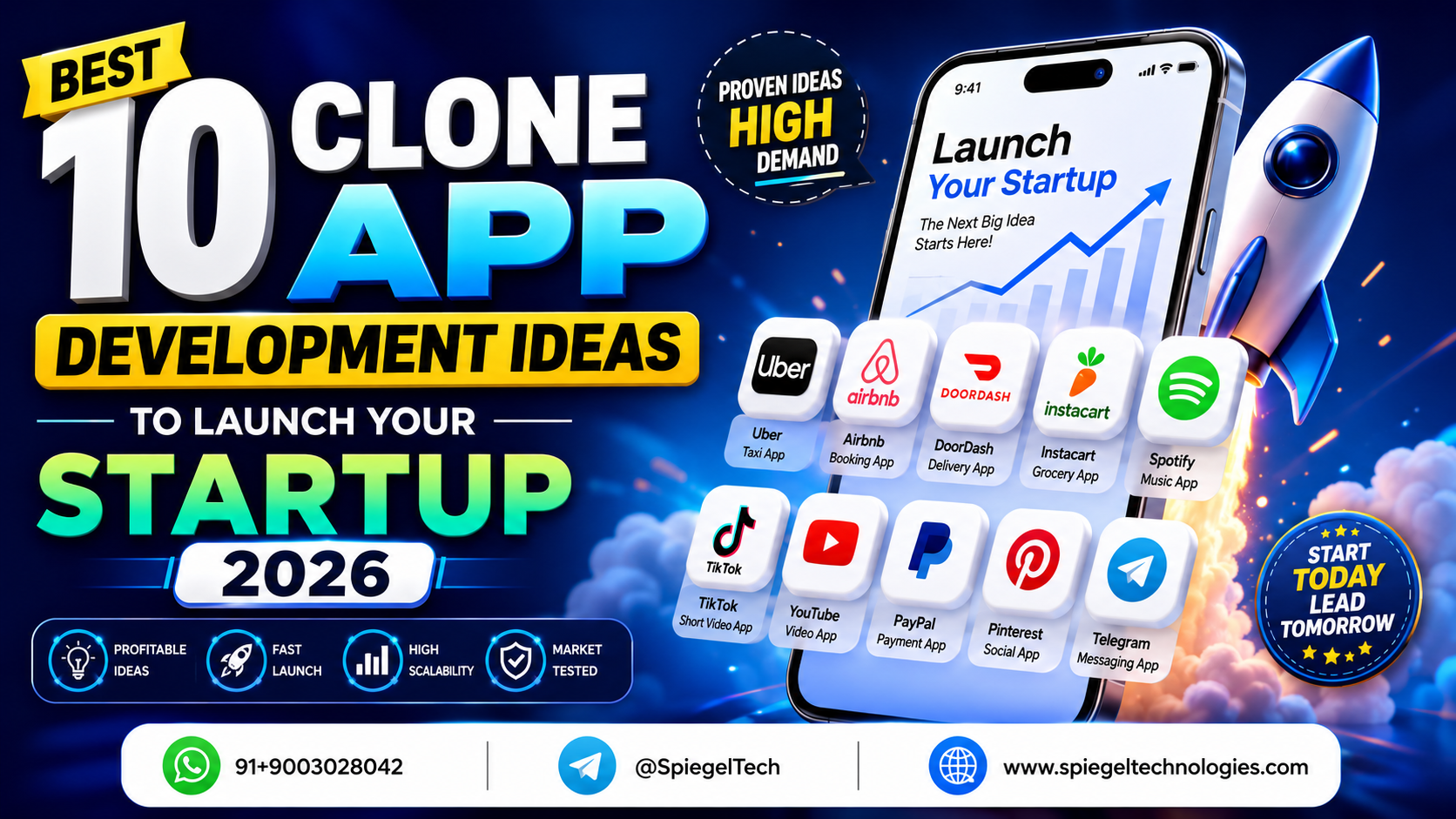
Top 10 Clone App Development Ideas for Your Business
1.Food Delivery App — Inspired by Uber Eats or DoorDash, this lets users order from their favorite restaurants and get food delivered right to their door — a consistently strong-performing category.
2. E-Commerce App — Modeled after giants like Amazon or eBay, an e-commerce clone gives your business a competitive foothold in online retail. This category pairs especially well with Multi-Vendor App Development, allowing multiple sellers to list and manage their own storefronts within a single marketplace.
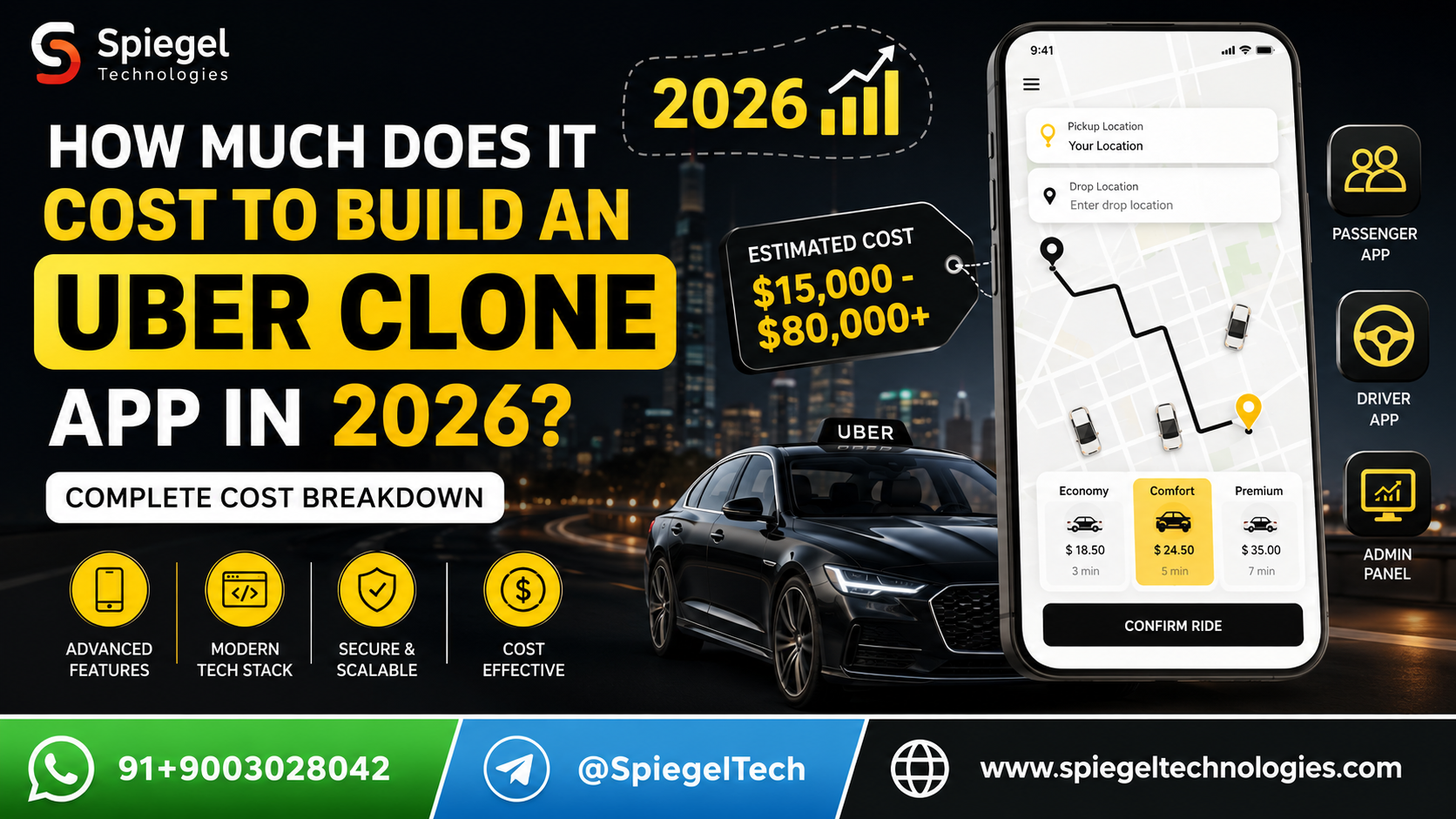
3.Ride-Hailing App — Built in the style of Uber or Lyft, this connects riders with nearby drivers for a fast, convenient transportation experience.
4.Social Networking App — Patterned after Facebook or Instagram, this taps into the massive appetite for online connection, content sharing, and community building.
5.Fitness App — Drawing inspiration from Nike Training Club or MyFitnessPal, a fitness clone delivers workout plans, nutrition tracking, and personalized goals for the growing health-conscious market.
6.On-Demand Service App — Similar to TaskRabbit or Handy, this connects users with service providers for tasks like cleaning, repairs, or pet care, simplifying the search for reliable help.
7.Travel App — Modeled on Airbnb or TripAdvisor, this gives travelers a single platform to research accommodations, explore attractions, and read reviews.
8.Dating App — Inspired by Tinder or Bumble, a dating clone meets the steady demand for online matchmaking based on shared interests and preferences.
9.Event Management App — Built in the spirit of Eventbrite or Meetup, this streamlines event discovery, booking, and management for both organizers and attendees.
10 Music Streaming App — Following the model of Spotify or Apple Music, this taps into ongoing demand for digital music, offering personalized playlists and social sharing features.
Case Studies: Businesses That Won Big With Clone Apps
Some of the most recognizable names in tech built their success on the clone app model. Uber, for example, took the familiar concept of a taxi service and rebuilt it as a more convenient, user-friendly ride-hailing app — and in doing so, disrupted an entire industry.
Airbnb followed a similar playbook in hospitality. By replicating the core mechanics of existing hotel booking platforms and adding a unique twist — letting individuals rent out their own spaces — Airbnb carved out an entirely new category and became a global leader in accommodation.
These examples show just how much potential clone app development holds for businesses willing to put their own spin on a proven model.
App Clone Development Cost: What You Should Expect to Pay
One of the biggest draws of this approach is affordability. App Clone Development Cost varies depending on the complexity of the app, the features you need, and the expertise of your development team — but across the board, it's significantly cheaper than building from scratch.
On average, clone app development costs range from $3,000 to $10,000, depending on those factors. When evaluating cost, think beyond the upfront number and consider long-term ROI: by building on a model that's already proven its appeal, businesses are well-positioned to generate strong, sustained returns.
How to Choose the Best Clone App Development Company
Picking the right partner is one of the most important decisions you'll make in this process. Here's what to look for when evaluating a Best Clone App Development Company for your project:
Taking the time to vet these factors carefully will help you find Clone App Development Services that actually deliver on their promises — not just a vendor that hands over generic code.
Common Challenges in Clone App Development (And How to Solve Them)
Clone app development isn't without its hurdles. Here's what to watch for:
Future Trends in Clone App Development
The space keeps evolving, and a few trends are shaping where it's headed next:
Staying ahead of these trends helps ensure your clone app stays competitive well into the future.
Frequently Asked Questions About Clone App Development Services
1. What exactly are Clone App Development Services?
They're development offerings that take the proven architecture and core features of a successful app and rebuild them as a fully customizable, branded solution for your business — saving you the time and cost of building from scratch.
2. How is App Clone Development Cost typically calculated?
Cost depends mainly on app complexity, the features you want included, your chosen platform, and the experience level of the development team. Most projects fall somewhere between $10,000 and $100,000.
3. Should I hire an in-house team or hire Clone App Developers from an agency?
It depends on your budget and timeline. An experienced agency offering dedicated Clone App Development Services often gets you to launch faster, since they've already solved the common technical challenges involved.
4. Can a clone app really be considered a White Label Mobile App?
Yes, when properly customized. A true white-label approach takes the underlying clone architecture and wraps it in your own branding, design, and unique feature set, so the end product feels entirely original to users.
5. Is Multi-Vendor App Development possible with a clone app model? Absolutely. Many e-commerce and service-based clone apps are specifically architected to support multiple vendors, each managing their own listings, inventory, and transactions within one unified marketplace.
6. How do I find the Best Clone App Development Company for my project? Focus on proven experience, a strong portfolio, transparent communication, and solid post-launch support. Asking for client references and reviewing past projects closely will tell you a lot before you sign anything.
7. Are Ready-Made App Solutions fully customizable, or am I stuck with a generic template? Reputable providers offer deep customization — branding, features, UI/UX, and functionality can all be tailored. A skilled team turns a ready-made foundation into something that feels uniquely built for your business.
8. How long does it take to launch a clone app? Timelines vary by complexity, but clone app development is consistently faster than building from scratch — many projects go from kickoff to launch in a matter of weeks rather than the months or years custom development requires.
Final Thoughts: Unlocking the Potential of Clone App Development
Clone app development gives businesses a genuine shortcut to success in a crowded digital landscape. By tapping into proven Clone App Development Solutions, you save on cost, reduce risk, and still have full freedom to customize the experience around your brand.
That said, success isn't automatic. Careful market research, a focus on scalability, and the right technical partner all matter. Choosing the right Clone App Development Services and proactively addressing common challenges puts your business in a strong position to launch — and to stand out once you do.
With trends like AI, blockchain, IoT, and AR continuing to reshape what's possible, now is a smart time to explore Ready-Made App Solutions for your business. Whether you're drawn to a White Label Mobile App, a Multi-Vendor App Development model, or one of the other ideas covered above, the opportunity to turn a proven concept into your own success story is wide open.